Bicycle Bracket & Bridge Optimisation
Mass, stress, and vibration reduction with FEA
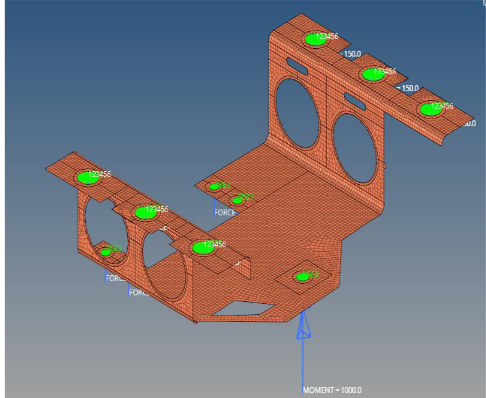
Optimised mass and vibration behaviour of a bicycle bracket and a bridge using Altair Hypermesh. Mesh-convergence studies, von Mises stress and displacement analysis, topology optimisation, and topography work to raise the natural-frequency threshold and cut material.
The Core Challenge
Engineering Solution & Implementation
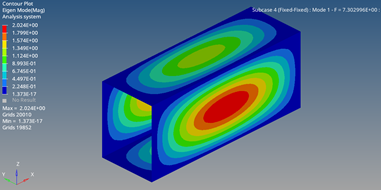
Mechanically designed the parts in Altair Hypermesh, ran mesh-convergence studies, then FEA for von Mises stress, displacement, and vibration. Topology optimisation reduced material; topography optimisation raised natural frequency. Supervisor: CEng. Omid Razmkhah. Team: Arkaan Quanunga, Rohit Singh.
Verified Outcomes & Deliverables
Reduced material cost of the bracket by 33% and the bridge by 53.66% while keeping a high safety factor.
Increased the bicycle-bracket natural-frequency threshold by 23%, reducing resonance risk.
Folded safety factor into thickness changes after stress and displacement analysis.